
On the outskirts of the Spanish metropolis of Valencia, a minibus carrying 27 vacationers from a number of nations stopped in entrance of a household farm known as Finca Montesol, some of the outstanding orange farms within the area.
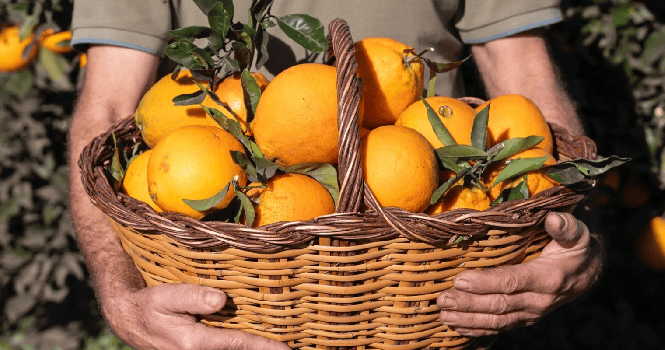
These vacationers weren’t on a conventional sightseeing or eating journey; As a substitute, they got here to spend a whole day harvesting oranges and studying native recipes immediately from the farm homeowners.
Upon their arrival, they had been greeted by farmer Juan Torres, who’s over 35 years previous and runs the farm, and started a tour of the farm with a easy clarification of its historical past spanning greater than 70 years.
He then took them on a stroll via fields filled with mature orange bushes, explaining learn how to determine which fruits are prepared for harvest, the variations between the totally different varieties that the area is legendary for, akin to Valencia Orange and Nabellina, and educating them learn how to use conventional instruments to chop the fruits.
The harvesting course of was broadly appreciated by the vacationers, prompting one of many German vacationers to say: “I’ve by no means felt the worth of the true style of oranges like in the present day,” whereas an American couple expressed their enthusiasm for harvesting the orange crop, stressing their need to return once more to repeat the expertise.
Juan identified with a smile that what he’s experiencing in the present day was one thing he couldn’t have imagined years in the past. He now receives cash from vacationers in trade for permitting them to reap the fruits of the farm, as an alternative of himself paying the labor prices to gather the crop as regular.
On the finish of the day, many of the guests purchased the farm’s merchandise akin to honey, jam and olive oil, after which everybody sat down within the shade of the olive bushes, the place they helped Juan’s spouse put together a conventional Spanish dish and drank orange juice from the fruits that they had picked themselves a short while in the past.
This story displays a quickly escalating world pattern: vacationers’ need to maneuver away from conventional, packaged experiences, and as an alternative search totally different moments lived and skilled with the land, meals and small communities.
A rising pattern
Lately, a brand new tourism pattern has emerged that’s turning into more and more widespread all over the world, which is farm tourism or agricultural tourism, the place journeys are not restricted to resorts, nature, and eating places; Relatively, vacationers are searching for totally different experiences.
They attempt to return to their roots, whether or not by harvesting their very own fruit, studying to cook dinner with regionally grown elements, or spending a whole day on a working farm.
This transformation didn’t occur by likelihood, however relatively got here on account of a mixture of things akin to the need of households to bond via helpful actions, and the keenness of many to grasp the supply of their meals.

For farmers, these experiences have turn out to be a brand new supply of earnings that helps them maintain themselves in gentle of fluctuations in agricultural product costs, and in lots of instances even saves the prices of harvesting the crop.
Knowledge from the World Tourism Group exhibits that demand for “non-commercial” experiences rose by 20% between 2019 and 2023, with vacationers turning into extra excited about actions akin to harvesting grapes, milking cows, or baking nation bread.
In america, research from Cornell College point out that 70% of tourists who take part in plantation actions achieve this in the hunt for tranquility and to expertise a less complicated life.
The AirB&B Experiences platform additionally exhibits that bookings for culinary experiences with farmers elevated by 35% in 2024, a development that displays vacationers’ thirst to be taught relatively than simply watch.
For instance, in Italy, farmer Luca Bianchi provides culinary experiences primarily based on elements grown on his farm, which have turn out to be one of many highest-rated within the Tuscany area.
In Japan, guests to Nagano Prefecture take part within the “Apple Harvesting and Resin Grilling” expertise, an expertise that attracted hundreds of vacationers after it unfold on social media.
A number of research affirm that households symbolize the biggest phase of tourists to farms, as mother and father select these journeys to show their kids the supply of meals and an understanding of nature.
The sector is common with farmers
Farms in lots of areas have remodeled from being depending on promoting crops solely, to leisure facilities for vacationers that embrace a number of actions from harvesting fruit to cooking meals ready from farm merchandise, in order that receiving vacationers has turn out to be a part of the manufacturing and earnings cycle.
This shift supplies farmers with new prospects for monetary stability and reduces dependence on unstable market costs or seasonal crops which may be affected by drought or excessive prices.
In accordance with knowledge from the US Division of Agriculture, farm tourism revenues have quadrupled in a single decade, reaching US$1.1 billion in 2022.

In France, knowledge from the French Ministry of Agriculture point out that greater than 30,000 farms at present present tourism providers that embrace area excursions, fruit harvesting, rural lodging, and academic workshops.
With the unfold and success of the “plant, decide, pay” mannequin, the place guests go to farms, harvest the fruit themselves, after which pay for it, studies point out that Cherry Hills Farm in Canada generates between 50-60% of its annual earnings from guests’ cherry harvests.
In South Korea, farms specializing in strawberry harvesting obtain multiple million guests yearly, in response to knowledge from the Korean Ministry of Agriculture.
As well as, the “farm to desk” mannequin has emerged as an vital earnings stream. In Australia, farmer and chef David Johnson provides culinary experiences that start with harvesting greens and finish with a meal ready from the farm’s produce. The price of participation is $120 per particular person.
As well as, guests not solely expertise the harvest or cooking, however typically purchase farm merchandise akin to fruit jam, honey, native cheese, and olive oil.
A examine from Furmint College exhibits that common customer spending on these further items will increase by 20-40%.
On this manner, farm tourism has turn out to be extremely popular with farmers, because it supplies further and steady earnings which may be extra worthwhile than counting on promoting crops solely.
Advertising and journey methods have modified to help this sector
As we speak, agritourism has turn out to be an important a part of the worldwide journey business, and its development is not primarily based on the efforts of farmers alone, however relatively on a whole ecosystem that features expertise corporations, journey platforms, governments, and even content material creators.
This integration has modified the panorama of selling for farms and opened new doorways for them to succeed in a world viewers searching for genuine, direct experiences with nature. We discover that platforms akin to Airbnb, TripAdvisor, and Get Your Information have made it simpler to find rural and farm experiences with the clicking of a button.
In accordance with Skift Analysis, digital bookings for rural actions elevated by 62% between 2020 and 2024, which demonstrates the size of the transformation that digital platforms have led to in creating demand for agricultural experiences.

Governments have additionally performed a supportive position in pushing the sector ahead. In Italy, a program helps greater than 25,000 tourism farms offering actions together with rural stays, cheese-making classes and area excursions.
In New Zealand, the federal government funds coaching packages for farmers to assist them develop leisure and academic experiences appropriate for vacationers.
Social media has additionally turn out to be a significant driver of the unfold of agritourism; Visible content material akin to strawberry harvesting, conventional cheese making, or cooking over charcoal in the midst of the fields attracts tens of millions of views and turns small farms into world-famous locations.
Ogis Farm in California is a vivid instance of this, because it changed into a preferred vacationer vacation spot after a video of peach harvesting on the farm went viral on TikTok, reaching 15 million views, prompting hundreds of tourists to go to it inside a number of months.
The rising world curiosity in meals security and sustainability has additionally elevated demand for these experiences. A McKinsey examine exhibits that 60% of shoppers all over the world desire regionally grown meals, and belief extra merchandise that they will see how they’re produced and know the place they arrive from.
Thus, farm tourism is not only a facet exercise or leisure, however has turn out to be a world phenomenon that displays a rising need amongst vacationers to discover the world in an interactive, instructional, and wholesome manner. On the similar time, it provides farmers an extra supply of earnings and a way of direct communication with shoppers.
Between guests’ aspiration to flee the hustle and bustle of cities, and farmers’ efforts to construct sustainable sources of earnings, such a tourism seems to be on the rise within the coming years.
Sources: Figures – World Tourism Group – Cornell College – US Division of Agriculture – Air B&B Experiences – French Ministry of Agriculture – Korean Ministry of Agriculture – College of Vermont – Skift Analysis – McKinsey World


