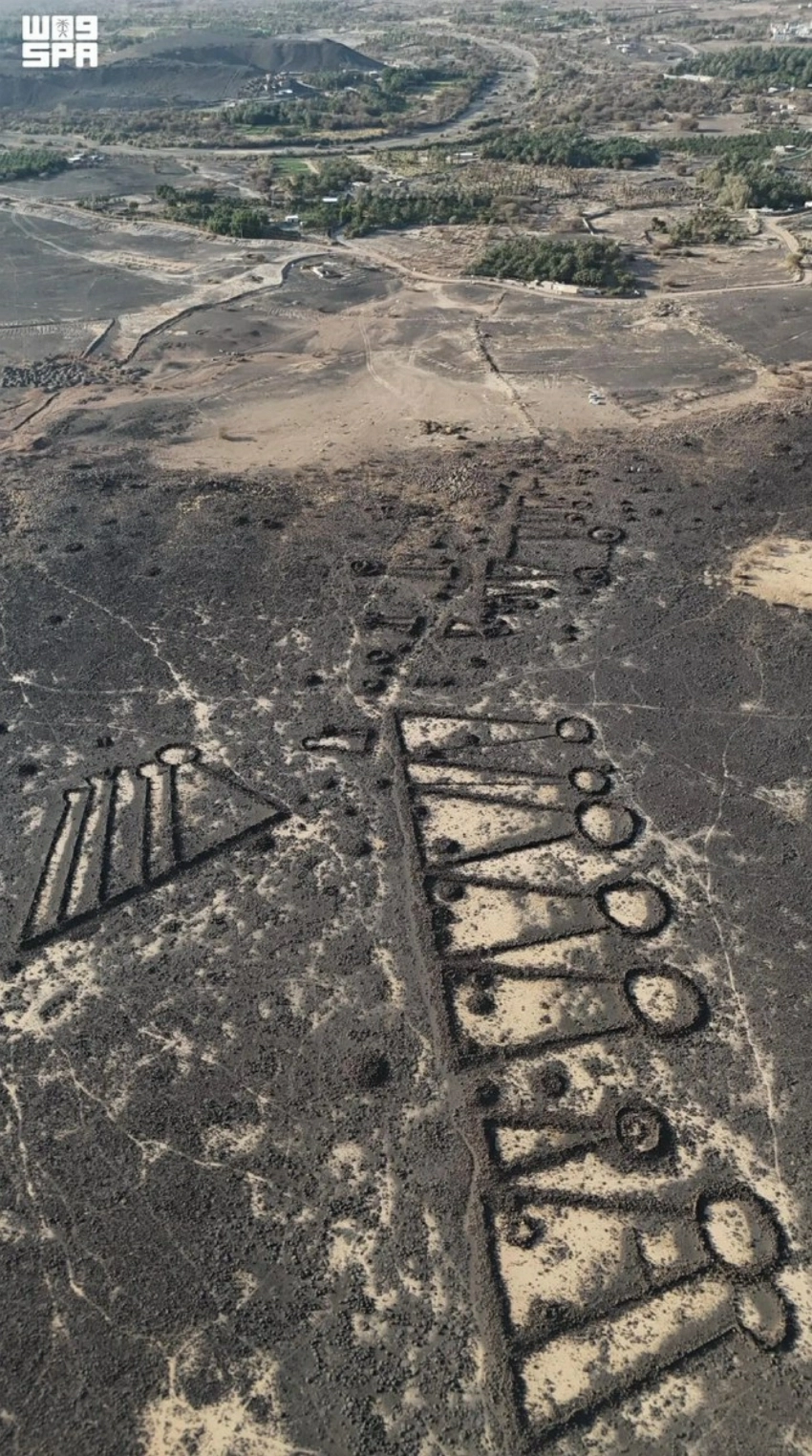
KHAYBAR — Architectural stone pendant tombs intentionally patterned throughout AlUla, Khaybar and Tayma present proof of historic human settlement within the northwestern Arabian Peninsula.
Densely distributed throughout volcanic harrats, alongside valleys and close to oases and water sources, the buildings symbolize among the area’s most distinguished archaeological proof of early settlement.
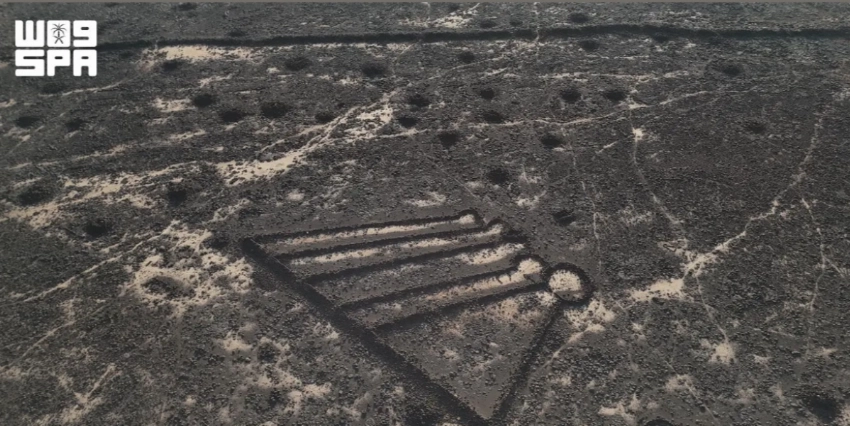
In response to analysis and archaeological tasks performed by the Royal Fee for AlUla, most of the burial websites are linked by in depth routes often called “funerary avenues.”
Spanning a community of round 530 kilometers, the avenues related oases, grazing areas and water sources, providing perception into how historic communities moved and interacted throughout the area.
Researchers consider the routes had been used throughout the seasonal motion of herders and livestock between pastures and oases, whereas additionally serving to join settlements throughout the panorama.
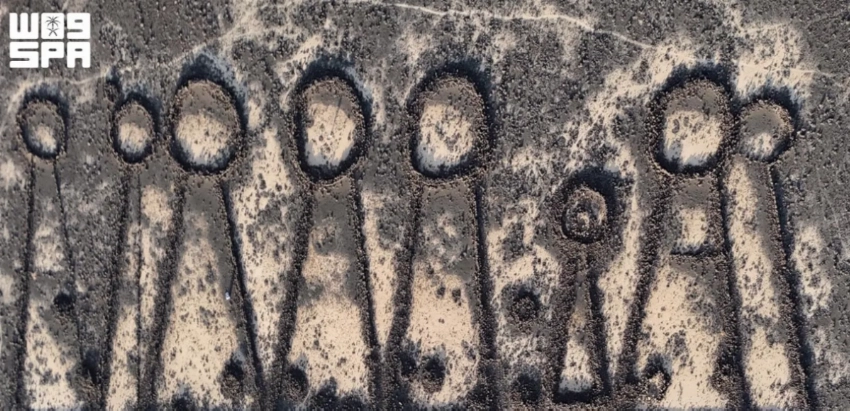
Among the stone pendant tombs date again to the Bronze Age and sometimes function a central burial chamber with elongated stone buildings extending outward in a tail-like formation.
Their designs and dimensions differ significantly, reflecting a variety of architectural types.
Variations of their building, together with cases the place buildings overlap, additionally level to the evolution of constructing methods over successive intervals.