
RIYADH — Saudi Arabia’s Nationwide Heart for Wildlife Improvement has recorded a uncommon sighting of a critically endangered leatherback sea turtle within the Pink Sea, about 30 kilometers off Al-Qunfudhah Governorate, inside the just lately designated Blue Holes Marine Reserve.
The Heart stated the sighting is among the many only a few documented observations of the species within the Pink Sea.
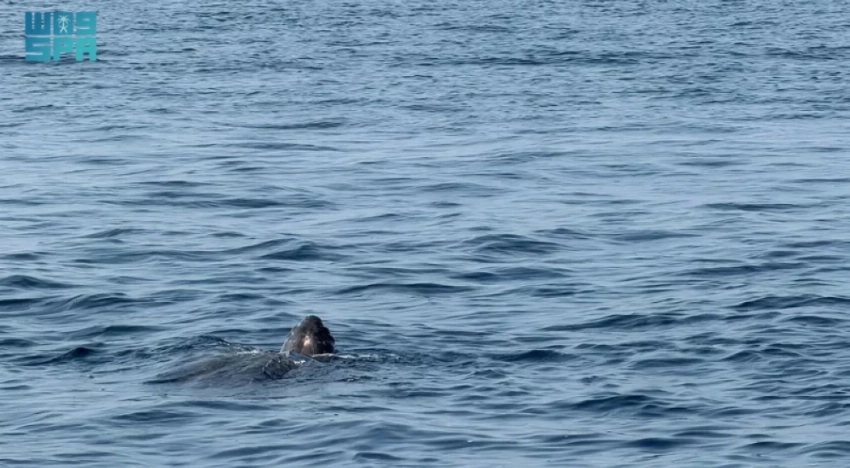
The leatherback is the world’s largest sea turtle, weighing as much as 900 kilograms, able to diving to depths of round 1,000 meters, and distinguished by its black, leather-like pores and skin and 5 longitudinal ridges alongside its again.
In line with the Heart, the species undertakes long-distance migrations spanning 1000’s of kilometers looking for meals, primarily jellyfish.
The closest recognized populations are situated within the Indian Ocean off South Africa and Sri Lanka, in addition to nesting websites in India’s Andaman Islands, all removed from the Pink Sea.
The Heart famous that there are not any recorded nesting websites for leatherback turtles within the Pink Sea, suggesting the person doubtless entered the area by way of the Bab al-Mandab Strait whereas foraging, a uncommon journey given the navigational precision required.
Associated Article

Saudi Arabia and Kuwait signal vitality cooperation agreements
The Worldwide Union for Conservation of Nature Pink Record classifies the leatherback as critically endangered within the Indian Ocean and as knowledge poor within the northwestern area, together with the Pink Sea and the Arabian Gulf, as a consequence of restricted scientific knowledge.
The latest documented regional sighting occurred in Jordan in December 2025, with an earlier juvenile recorded off Djibouti in December 2019.
The Heart stated the sightings spotlight the species’ occasional presence within the Pink Sea and underscore the significance of continued marine conservation efforts. It famous that the Farasan Islands Marine Reserve, together with the newly designated Blue Holes and Ras Hattabah reserves, performs a key function in defending endangered marine species and preserving biodiversity within the area.