
RIYADH — With a centuries-old religous vacation celebrated by thousands and thousands throughout the globe, cultural traditions are developed over time, and the Saudi traditions for the mornings of Eid Al-Fitr are marked with cherished social customs that precede the Eid prayer.
Whereas many are quick asleep within the “early hour” of the morning — the interval between the Fajr (daybreak) and Eid prayers — Saudis are creating social moments with gathering of thier households in an environment of pleasure and anticipation.
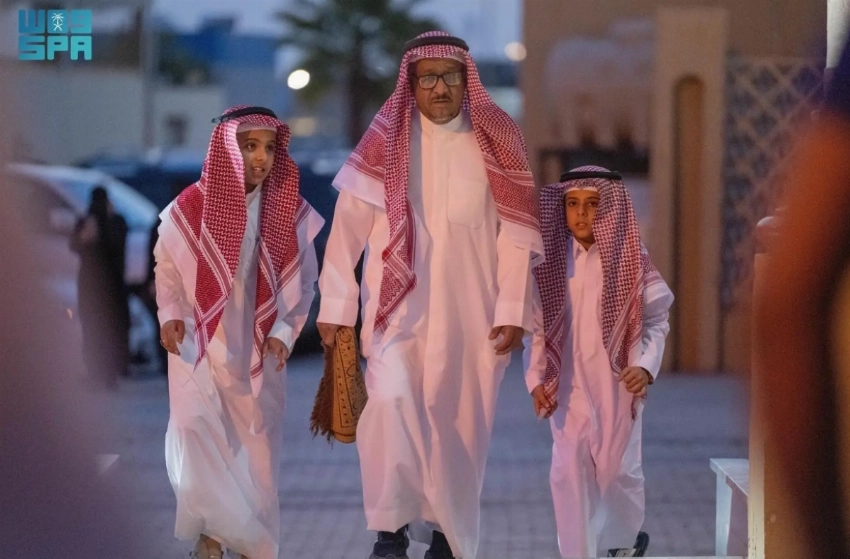
Throughout this time, relations trade greetings with dad and mom and kin, and all are adorend in thier greatest, new garments.
The “early hour” can also be full of culinary traditions, most notably the preparation of a festive morning unfold that includes conventional dishes akin to qursan (conventional skinny breads cooked with meat and greens), areeka (conventional dessert), ghee, and honey.
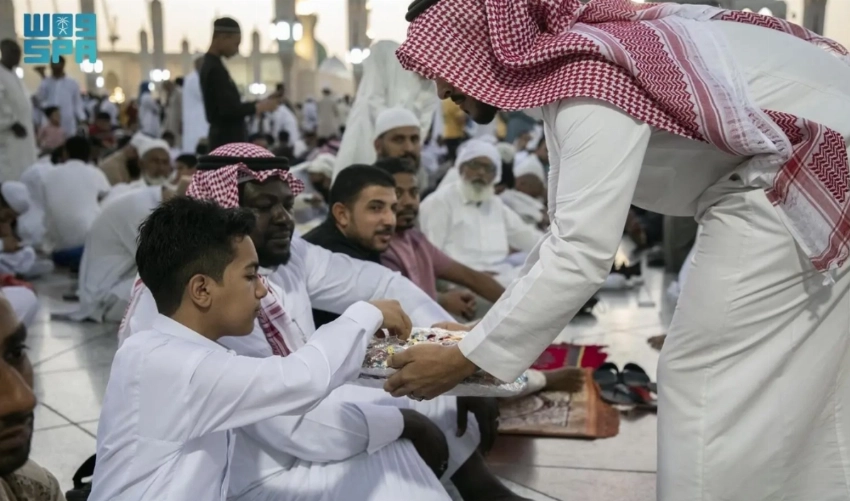
In accordance with the Encyclopedia of the Kingdom of Saudi Arabia, revealed by the King Abdulaziz Public Library, it’s customary in some areas for every household to arrange a signature conventional dish.
Following Eid prayer, neighborhood residents commune in a freshly carpeted space to trade — normally in a gardem park or by the ocean, to trade greetings over espresso and want one another a cheerful Eid.
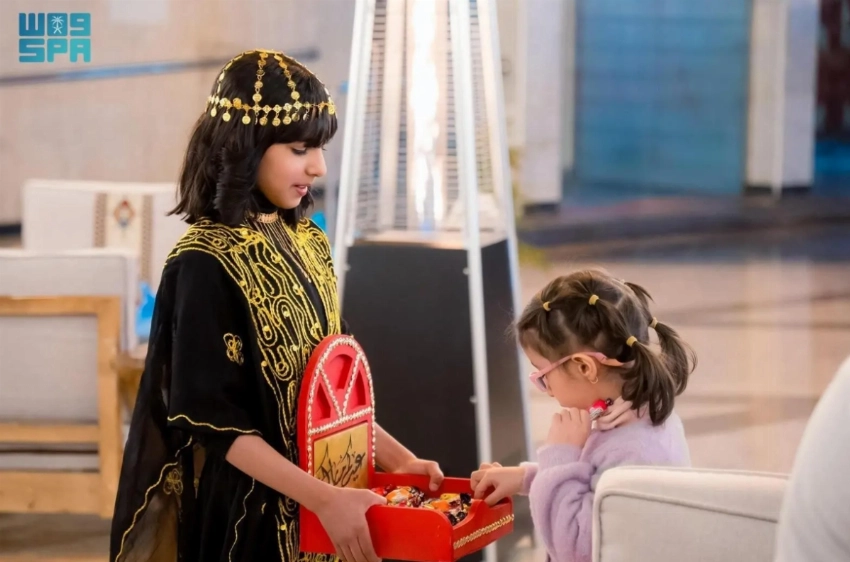
Houses are additionally meticulously ready to welcome well-wishers.
Residing rooms are scented with incense, and conventional sheep’s wool rugs—identified domestically as “shamla” and “jawa’id”—are unfold out, reflecting the deep-rooted values of generosity and social connection in Saudi society.
In trendy days, properties embellished and light-weight up by electrical fawanees lamps left over from Ramadan, in addition to tapered fairy lights.